The Underground Renaissance: How Wine Cellars Became the New Status Symbol in Ultra-Luxury Homes
March 14, 2026 · 8 min read
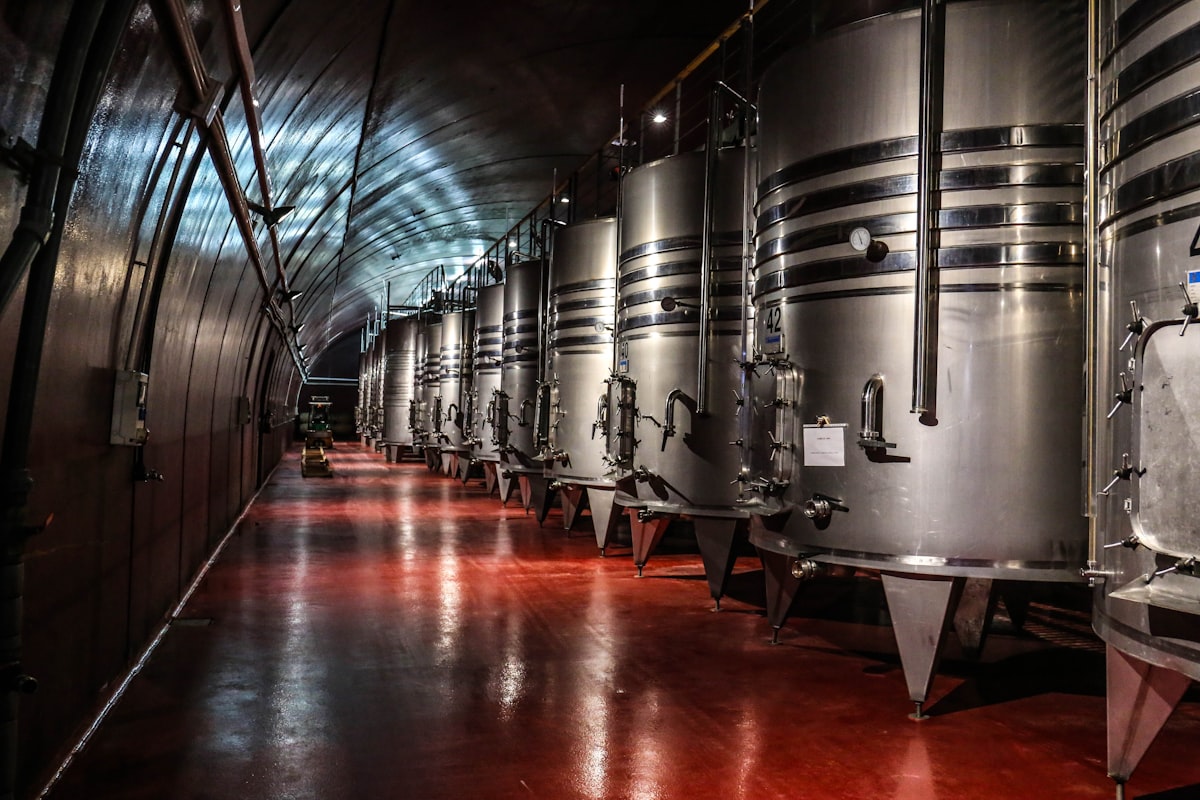
In London's most expensive postcodes, planning applications tell a story invisible from street level. Beneath Georgian facades and Edwardian terraces, a subterranean revolution is underway. Excavations routinely descend three storeys below ground, creating spaces that cost more per square metre than the homes above them. At the centre of this underground architecture, increasingly, sits the wine cellar — no longer a utility room with racks, but a statement of identity, culture and serious capital.
From Storage to Theatre
The evolution has been swift. A decade ago, even in ultra-luxury homes, wine storage meant a temperature-controlled room, perhaps with custom racking and a tasting nook. Today's commissions bear no resemblance. Leading firms like Spiral Cellars, Vinotheque and Wine Corner report average project values exceeding £500,000, with flagship installations reaching £2–5 million.
What justifies these figures? The answer lies in the convergence of architecture, technology and hospitality design. A contemporary wine cellar by a top-tier practice might include: climate-controlled zones calibrated to different varietals (13°C for reds, 10°C for whites, 7°C for champagne), glass walls with argon-filled cavities to prevent UV and thermal transfer, bespoke display systems in bronze, stone or reclaimed oak, integrated tasting rooms with professional sommelier stations, acoustic engineering to create an intimate atmosphere within a subterranean space.
The Iceberg Effect
London's "iceberg basement" phenomenon — mega-excavations adding cinemas, pools, gyms and staff quarters below heritage buildings — has been well documented. Wine cellars now occupy a privileged position within these subterranean programmes, often serving as the centrepiece around which other amenities are arranged.
One Mayfair project, completed in 2025, created a three-level underground complex where the wine cellar — holding 5,000 bottles across six temperature zones — forms the visual core, visible through floor-to-ceiling glass panels from the adjacent private dining room and the leisure level below. The cellar itself features a spiral staircase in hand-forged iron, a tasting table carved from a single slab of Carrara marble, and a cataloguing system that allows the owner to locate any bottle via a tablet app displaying real-time provenance, drinking window and suggested food pairings.
Beyond London: The Global Picture
The phenomenon extends well beyond Belgravia. In the Swiss Alps, chalets now routinely incorporate wine grottos blasted into bedrock — natural temperature regulation at altitude creates ideal cellaring conditions without mechanical intervention. A recently completed project in Verbier features a 120-metre tunnel connecting the main chalet to a wine cave holding 8,000 bottles, with alcoves for private tastings lit by fibre-optic constellations mapped to the owner's birth sky.
In the Hamptons, where horizontal space is abundant, wine pavilions have emerged as freestanding garden structures — glass-and-timber buildings that function as both cellar and entertaining space, typically positioned between the main house and pool. The California model favours integration with the landscape: subterranean cellars accessed through planted courtyards, where the microclimate above mirrors the terroir of the wines stored below.
Dubai and Singapore represent the frontier markets, where wine cellars serve a dual purpose: serious storage in challenging climates and a powerful social signal. In both cities, purpose-built wine rooms are now standard in developments priced above $10 million, with developers commissioning bespoke installations as selling points.
The Technology Layer
Modern wine cellars are as technologically sophisticated as any data centre. Climate management systems maintain temperature accuracy to ±0.5°C with humidity control at 65–75%. Vibration isolation — critical for ageing fine wine — uses the same damping technology developed for semiconductor fabrication facilities. Security combines biometric access, seismic sensors and insurance-grade cataloguing software.
The most advanced systems integrate with wine market platforms, providing real-time valuation of the collection and alerting owners to optimal selling or drinking windows based on critic scores, auction trends and vintage-specific maturation curves. For collections valued above £1 million — increasingly common among UHNW collectors — this institutional-grade management is not a luxury but a fiduciary necessity.
Investment Considerations
A well-designed wine cellar adds measurable value to a luxury property. Knight Frank's Wealth Report consistently identifies wine storage among the top three amenities sought by buyers in the £10 million-plus segment. Estate agents report that properties with professional-grade cellars sell faster and command premiums of 5–15% over comparable homes without.
The wine itself, of course, represents a parallel investment. Fine wine as an asset class has returned 10% annually over the past decade (Liv-ex Fine Wine 1000 index), outperforming most traditional alternatives with low correlation to equity markets. A cellar that both stores and showcases this asset — while providing a unique entertaining space — represents a rare convergence of lifestyle and financial logic.
The Verdict
The wine cellar has completed its journey from functional afterthought to architectural centrepiece. In an era where every ultra-luxury home has a gym, a cinema and a pool, the cellar offers something these amenities cannot: a space that deepens with time, that reflects knowledge and taste rather than mere purchasing power, that creates an atmosphere no other room in the house can match.
The best wine cellars being built today will still be in use a century from now — their contents evolving, their climate systems upgraded, their role as the spiritual heart of the home only strengthening with age. In a world of disposable architecture, that permanence may be the greatest luxury of all.
More from Maison Latitudes: The Architecture of Invisible Luxury · Biophilic Design