The Architecture of Invisible Luxury: Why the World's Best Homes Disappear Into Their Landscape
March 13, 2026 · 8 min read
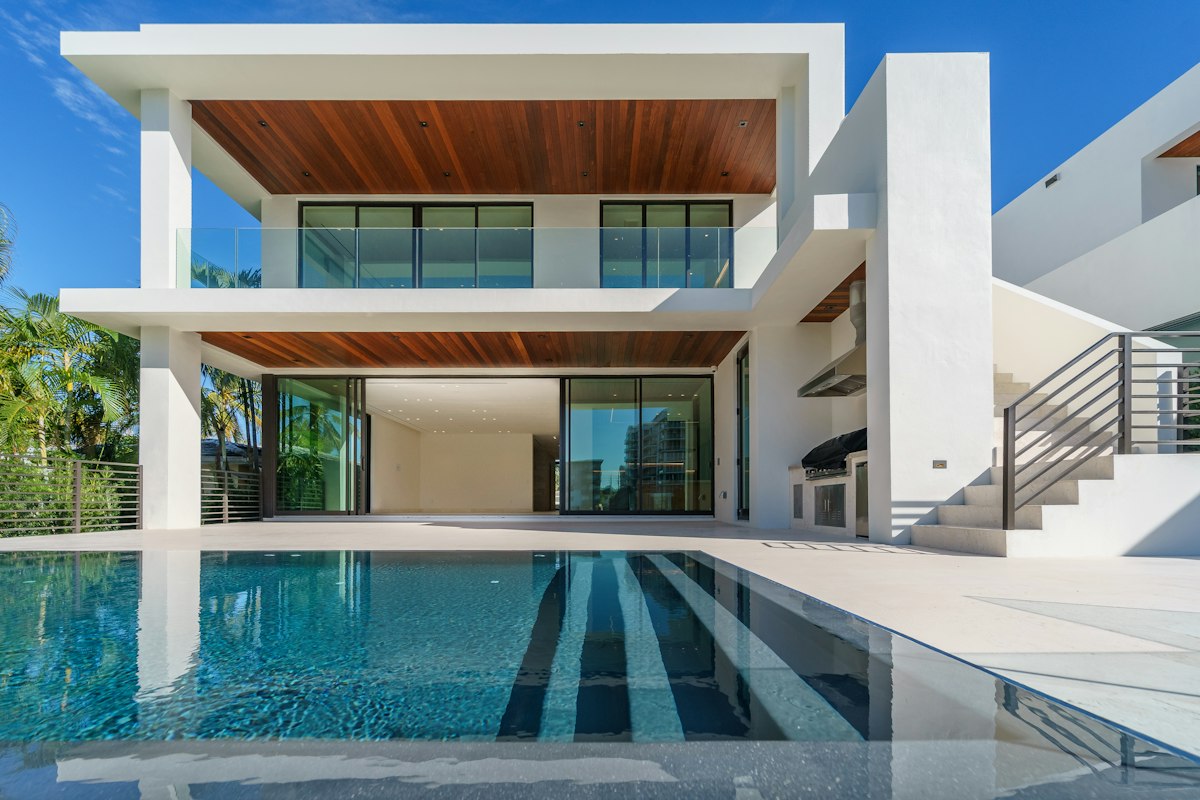
For most of the 20th century, a luxury home was designed to be seen. Columns, gates, long driveways, imposing façades — the architecture of wealth was inherently performative. The bigger the house, the clearer the message. But somewhere in the past two decades, a fundamental inversion occurred. The world's wealthiest clients began asking their architects for something radical: make it disappear.
The Philosophy of Disappearance
The pioneers of this movement — Peter Zumthor, Tadao Ando, Rick Joy, Studio Mumbai — share a common conviction: the highest form of architectural achievement is not to dominate a landscape but to amplify it. A house should be a frame for the view it inhabits, not a competitor.
This philosophy has found its most extravagant expression in the private residential sector. When budget is unlimited and clients demand both privacy and sensory richness, the result is architecture that uses enormous technical sophistication to achieve an appearance of effortless simplicity. Retractable glass walls that disappear into floors. Green roofs that render a 2,000-square-metre villa invisible from above. Rammed-earth walls that age like the cliffs they border.
Case Study: The Ibiza Underground
Ibiza has become a laboratory for invisible luxury. The island's building codes — which limit heights and require sympathetic materials — have pushed architects underground, literally. Firms like Minimum Arquitectura and John Pawson have created villas where the primary living spaces are carved into hillsides, with only slim apertures revealing the Mediterranean below.
One recent project in Es Cubells features 800 square metres of living space, a 25-metre pool and a home cinema, yet from the coastal path above, all that's visible is a manicured garden and a stone wall. The construction cost: €18 million. The land itself: another €12 million. The experience of standing inside, surrounded by raw limestone walls with a perfectly framed sunset: priceless, and genuinely invisible to the outside world.
The Alpine Response
In the Swiss and French Alps, invisibility takes a different form. Here, the challenge is snow, slope and the desire to merge with a landscape that changes dramatically between seasons. The latest generation of chalets — in Verbier, Gstaad, Megève and Courchevel — use cantilevered volumes, floor-to-ceiling glass and local timber to create structures that read as extensions of the mountain rather than objects placed upon it.
Atelier Granda's recent project in Lech am Arlberg exemplifies the approach: a six-bedroom residence with a wellness level, wine cellar and private ski room, wrapped in weathered larch that will silver to match the surrounding rock within five years. From the valley, it looks like a barn. Inside, it is as refined as any London townhouse.
Materials That Age
Central to invisible architecture is the concept of material honesty — using substances that weather, patina and transform with time. Corten steel, rammed earth, raw concrete, untreated wood, local stone. These materials don't just age; they converge with their environment. A corten-clad pavilion in the Alentejo will, within two years, share the exact colour of the surrounding cork bark.
This stands in deliberate opposition to the glass-and-white-marble aesthetic that dominated luxury architecture in the 2000s and 2010s. That approach required constant maintenance to preserve its pristine appearance — a never-ending battle against entropy. Invisible architecture embraces entropy as a design partner.
The Privacy Premium
There's a practical dimension to architectural invisibility that resonates strongly with UHNW clients: security through obscurity. In an era of drone photography and satellite imagery, a home that can't be seen from above is a home that can't be surveilled, photographed or targeted. Several recent projects have incorporated anti-drone netting, RF-shielding glazing and deliberate landscape screening — all integrated into the architecture so seamlessly that they read as aesthetic choices rather than defensive measures.
The Future Is Underground
The trajectory is clear. As land becomes scarcer in desirable locations, as privacy becomes more valuable, and as environmental regulations demand lower visual impact, the luxury home of the future will increasingly be below grade, within hillsides, beneath gardens and behind landscapes. The most expensive home on the block will be the one you can't see. That is the ultimate luxury: the ability to be present in the most beautiful places on earth while leaving no trace of your presence.
Related collections: Contemporary · Luxury Villas · Coastal Retreats