The Private Perfume Organ: How Olfactory Architecture Became Ultra-Luxury Living's Most Sensuously Curated Space
April 2, 2026 · 10 min read
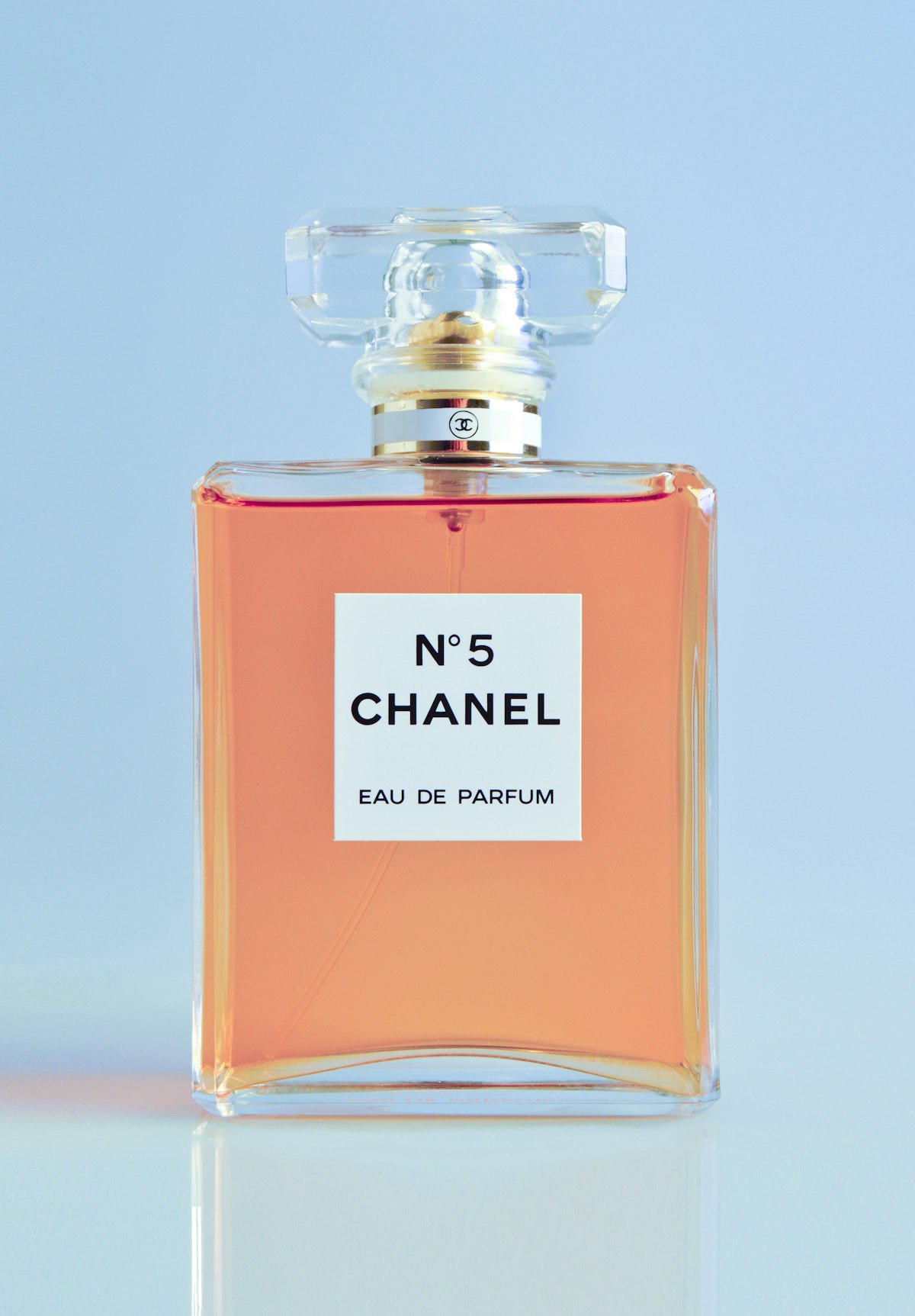
Of all the senses that ultra-luxury residential design has learned to address — sight through art, sound through acoustics, touch through materials, taste through kitchens of professional grade — scent has remained, until recently, the most neglected. A home might contain ten million dollars of contemporary art, a Steinway concert grand, Calacatta marble in every bathroom, and a chef's kitchen rivalling any Michelin-starred restaurant, yet smell — the sense most directly wired to memory, emotion, and the subconscious experience of space — was left to whatever candle happened to be burning on the console table. That era is ending. The private perfume organ — a bespoke piece of furniture housing hundreds of raw materials and finished compositions, designed as both a functional instrument and an architectural centrepiece — has emerged as the defining luxury amenity of the most olfactorily sophisticated residences in the world.
The Organ: Instrument, Furniture, and Philosophy
The perfume organ — l'orgue à parfums — has been the essential tool of the professional perfumer since the nineteenth century, when the industrialisation of fragrance production in Grasse required a systematic method of organising the hundreds of raw materials that a master nose might use in composition. The traditional organ is a semicircular tiered desk, its graduated shelves holding bottles of essences arranged by olfactory family — citrus, floral, woody, amber, musk — within arm's reach of the perfumer seated at its centre. It is, in function, exactly what its name suggests: an instrument from which scent compositions are played.
The residential perfume organ adapts this professional instrument for the private collector. Commissioned from specialist cabinetmakers — often the same ateliers that produce bespoke humidors, wine cabinets, and watch winders for the ultra-high-net-worth market — the private organ is typically constructed from a single species of wood chosen for both its aesthetic qualities and its olfactory neutrality. French walnut, sycamore, and Japanese hinoki are favoured materials. The shelves are lined with chemically inert materials — usually glass or brushed stainless steel — that will not absorb or transfer scent. Temperature and humidity are controlled by integrated climate systems that maintain the optimal conditions for fragrance preservation: 16 to 18 degrees Celsius, 50 to 55 percent relative humidity.
The Room: Designing for the Invisible
A perfume organ of any ambition requires a dedicated room — and the design of that room presents challenges that most architects and interior designers have never previously considered. The olfactory suite, as it has come to be known among the small community of designers who specialise in this emerging typology, must be engineered for scent the way a recording studio is engineered for sound. This means controlling airflow to prevent cross-contamination between materials while ensuring adequate ventilation. It means selecting wall, floor, and ceiling finishes that neither absorb nor emit scent — eliminating paint, varnish, fabric, and most natural stones, which are surprisingly olfactorily active. It means lighting that generates minimal heat, since temperature fluctuation is the primary enemy of fragrance stability.
The most sophisticated olfactory suites incorporate scent isolation zones — typically glass-enclosed alcoves within the larger room where individual materials or compositions can be evaluated without interference from the ambient scent environment. Some include a "clean air" vestibule at the entrance, supplied with HEPA-filtered, activated-carbon-scrubbed air, that allows the nose to reset between sessions. The parallel with wine tasting rooms is apt: both are spaces designed to maximise sensory discrimination, and both require a degree of environmental control that borders on the clinical while maintaining an atmosphere of pleasure and luxury.
The Collection: What Fills the Organ
The contents of a private perfume organ typically fall into three categories. The first is a curated library of raw materials — natural essences, absolutes, and synthetic molecules — that allows the owner to explore the building blocks of perfumery. A comprehensive raw materials library might contain three hundred to five hundred individual substances, from the familiar (Bulgarian rose absolute, Calabrian bergamot, Mysore sandalwood) to the esoteric (ambergris tincture, orris concrete, cashmeran). These materials, sourced from specialist suppliers in Grasse, are the alphabet from which all fragrances are composed.
The second category is a collection of finished fragrances — not the commercial products available in department stores, but the private commissions, limited editions, and discontinued compositions that constitute the olfactory equivalent of a fine art collection. A single bottle of vintage Guerlain — a 1960s Mitsouko parfum, for example, or a pre-reformulation Vol de Nuit extrait — can command prices exceeding €10,000 at auction. Collections of this calibre, numbering in the hundreds or thousands of bottles, require the kind of climate-controlled, catalogued storage that the private perfume organ provides.
The Bespoke Fragrance: The Ultimate Olfactory Commission
For many organ owners, the ultimate expression of olfactory luxury is not collecting existing fragrances but commissioning new ones. The bespoke fragrance — a scent created exclusively for a single client, by a master perfumer, over a period of months or years — represents the most personal and intimate of all luxury commissions. Unlike a bespoke suit (which others can see), a commissioned painting (which others can view), or a custom yacht (which others can admire), a bespoke fragrance exists in the most private of sensory domains. It is experienced most intensely by the wearer alone, in the intimate space between skin and air.
The process typically begins with what perfumers call a "portrait olfactif" — an extended consultation in which the perfumer explores the client's scent memories, preferences, lifestyle, and the specific contexts in which the fragrance will be worn. A Middle Eastern client who divides time between a desert compound and a London townhouse requires a fragrance that performs across radically different climates and cultural contexts. The perfumer then develops a series of trial compositions — typically ten to twenty iterations over three to six months — that are progressively refined through feedback sessions. The final composition is produced in a single batch, its formula locked in a vault at the perfumer's atelier, never to be replicated for another client. The cost of such a commission — typically €50,000 to €250,000 — reflects not the materials, which are relatively inexpensive, but the exclusivity: the guarantee that no other person on earth will ever wear the same scent.
The Whole-House Approach: Scenting Architecture
The perfume organ is increasingly the command centre of a whole-house olfactory programme — an integrated system that scents different rooms and zones of a residence with different fragrances, calibrated to the function of each space and the time of day. The entrance hall might diffuse a composition built around bergamot and vetiver — alert, welcoming, gender-neutral. The living areas might shift seasonally: lighter citrus and green notes in summer, deeper amber and wood compositions in winter. Bedrooms might employ lavender, sandalwood, or frankincense — materials whose soporific properties have been documented in clinical studies. The result is a residence in which scent is as deliberately designed as light, temperature, or sound — a home that smells, at every moment and in every room, exactly as its owner intended.
This whole-house approach represents the maturation of olfactory design from novelty to necessity in ultra-luxury residential practice. Just as no serious luxury residence is now built without an integrated acoustic design, a lighting control system, or a climate programme calibrated room by room, the next generation of truly exceptional homes will be designed with scent as a fundamental architectural parameter. The private perfume organ — part instrument, part furniture, part philosophy — is the visible symbol of this invisible revolution. It announces, to anyone who enters the room, that the owner of this house has mastered the most elusive and intimate of the senses — and that the air itself has been composed.