The Private Chapel: How Restored Sacred Spaces Became Ultra-Luxury Living's Most Spiritually Resonant Architectural Statement
March 22, 2026 · 10 min read
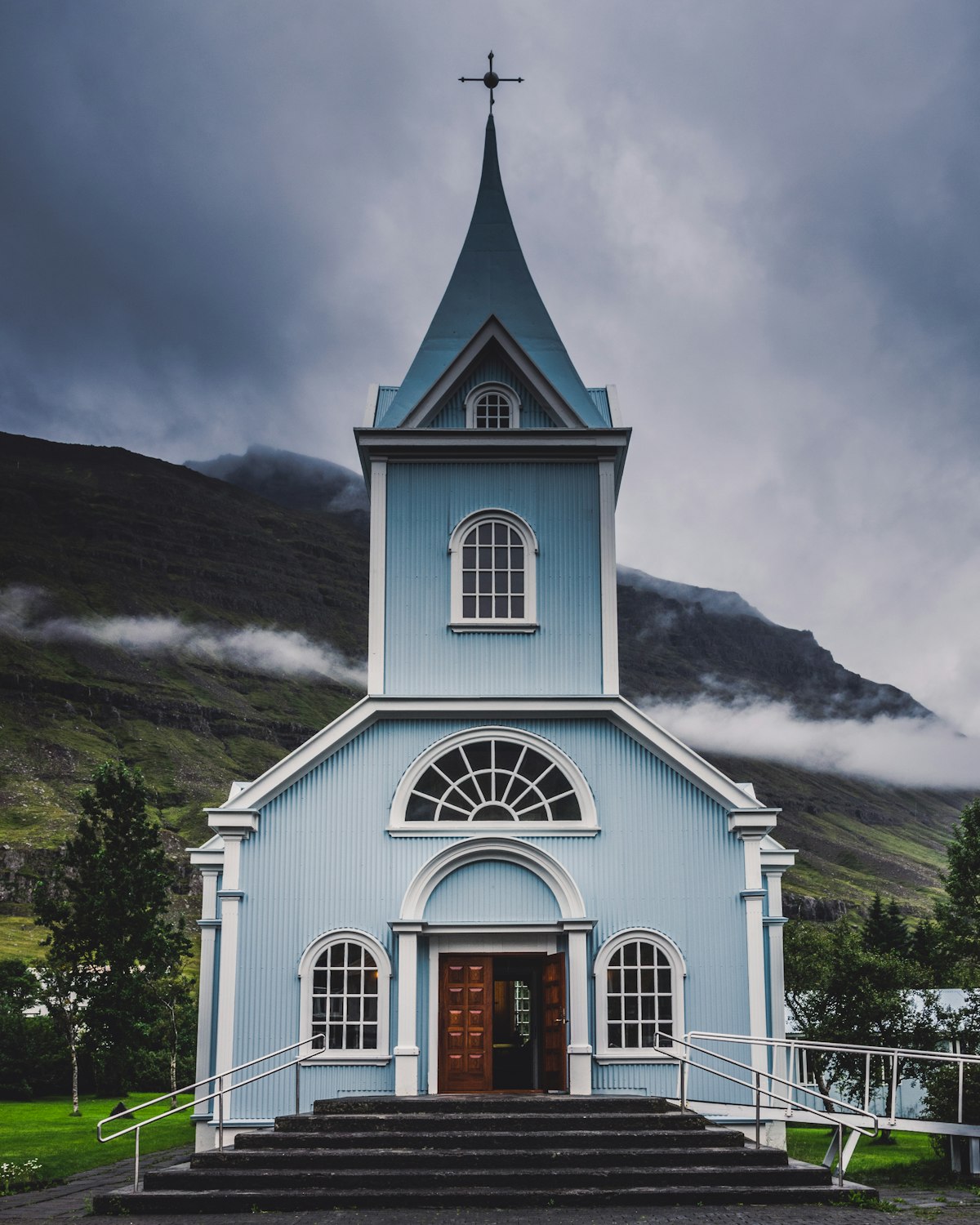
The private chapel was, for centuries, the architectural signature of the estate that took itself seriously. From the Romanesque oratories of Provençal bastides to the Baroque jewel-boxes attached to Tuscan villas, the presence of a consecrated or semi-consecrated space within a residential property declared something that no other room could: that this estate existed not merely in space but in time — that it participated in a continuity of occupation, devotion, and architectural patronage that connected the present owner to something larger than themselves. When the great estates of Europe changed hands in the twentieth century — subdivided, converted, abandoned, repurposed — the private chapel was typically the first space to lose its function and the last to be demolished, surviving as an architectural vestige that embarrassed modernist sensibilities without quite justifying the expense of removal.
Now, in the third decade of the twenty-first century, the private chapel is experiencing a restoration that is simultaneously architectural and conceptual. Across the luxury property markets of France, Italy, Spain, and the British Isles, buyers are not merely preserving inherited chapels but actively seeking properties that possess them — and, in the most ambitious cases, commissioning new sacred spaces within contemporary constructions. The chapel has become, improbably, one of the most desired features in ultra-luxury residential architecture. Understanding why requires understanding what the chapel provides that the spa, the cinema, the wine cellar, and every other amenity space cannot.
The Architecture of Silence
The ultra-luxury residence of the 2020s is, almost by definition, a machine for stimulation. Every room is optimised for an experience: the kitchen for culinary performance, the gym for physical transformation, the entertainment suite for sensory immersion. The home has become, in architectural terms, a sequence of programmed experiences connected by circulation spaces — an itinerary of engagement. What is missing from this itinerary is its opposite: a space designed not for doing but for being, not for stimulation but for stillness, not for the performance of living but for the contemplation of life.
The chapel provides this negative space. Its architectural grammar — the vaulted ceiling that lifts the eye upward, the thick stone walls that attenuate exterior sound, the narrow windows that admit light without view, the materials (stone, wood, plaster) that absorb rather than reflect — creates an environment that is physiologically distinct from every other room in the house. The acoustic profile alone is transformative: a well-constructed chapel produces a silence that is not the absence of sound but its opposite, a positive quality of stillness that the ear registers as something present rather than missing. In an era when the ultra-wealthy are spending unprecedented sums on wellness infrastructure — float tanks, meditation pods, sound therapy rooms — the medieval chapel delivers the same neurological benefits through architectural means that have been refined over a thousand years.
The Restoration Methodology
The restoration of a private chapel operates under constraints that distinguish it from any other heritage building project. The chapel is not merely old; it is, in many cases, still consecrated — a status that, depending on jurisdiction, imposes obligations regarding the preservation of liturgical features, the orientation of the altar, and the maintenance of certain architectural elements. A buyer who acquires a Provençal bastide with an attached twelfth-century chapel does not acquire the chapel in the same sense as they acquire the kitchen or the bedrooms. They acquire a custodial relationship with a space that exists, legally and culturally, in a different register from the rest of the property.
The best chapel restorations honour this distinction while making the space functional within a contemporary residential context. The approach developed by the leading heritage architects — firms like Peter Zumthor's office, John Pawson's practice, and the Parisian atelier of Axel Vervoordt — is one of radical restraint: cleaning and consolidating the existing fabric, replacing only what has failed structurally, introducing contemporary elements (lighting, climate control, seating) with a minimalism so extreme that the new interventions appear to have no materiality at all. The objective is not to make the chapel look restored but to make it look as though it has simply endured — as though the centuries have passed around it without altering its essential character.
The Contemporary Commission
For buyers who acquire properties without existing chapels — or who commission new-build estates — the temptation to create a chapel from scratch presents unique challenges. The sacred space derives its power from the accumulation of time, from the patina of centuries, from the knowledge that the stone has been touched by many hands. A new chapel, however exquisitely detailed, risks the accusation of artifice — of being a stage set rather than a sanctuary.
The architects who have navigated this challenge most successfully have done so by abandoning the referential entirely. Rather than building a miniature Gothic church or a Romanesque oratory, they have created spaces that achieve the chapel's essential qualities — verticality, silence, filtered light, material gravity — through contemporary means. Tadao Ando's concrete meditation spaces, with their cruciform light slots and water features, demonstrate that the sacred can be evoked without any historical reference. Peter Zumthor's Bruder Klaus Field Chapel in Germany — a concrete shell with a charred timber interior, open to the sky — achieves a spiritual intensity that rivals any medieval original. These precedents are now influencing residential commissions, producing chapels within private estates that are contemporary in every detail but ancient in their atmospheric effect.
The Functional Spectrum
The repurposed chapel serves, in contemporary estate life, a range of functions that would have startled its original builders but that honour, in their own way, the space's essential purpose. Wedding ceremonies — the chapel's traditional social function — remain the most common use, and a property with a functioning chapel commands a significant premium in the luxury event rental market. A Tuscan villa with a consecrated chapel can charge €15,000-€30,000 for a weekend wedding package; a Provençal bastide with an intact Romanesque oratory commands similar figures. The chapel transforms the property from a venue into a narrative — a story that the couple can tell about their ceremony that no hotel ballroom can match.
Beyond weddings, the chapel functions as a meditation space, a music room (the acoustics of vaulted stone produce a natural reverberation that is ideal for solo instruments and small ensembles), a reading room of unusual concentration, and — increasingly — a space for the display of art that requires contemplative viewing conditions. The collector who hangs a Rothko in a converted chapel understands something about the painting's relationship to architecture that the white-cube gallery obscures: that certain works of art require not illumination but atmosphere, not wall space but spatial context, not visibility but presence.
The Market Value of the Immeasurable
Estate agents have long understood that the private chapel adds value to a property, but quantifying that value has proved resistant to conventional appraisal methods. A chapel is not a bedroom (measurable in square metres), not a pool (measurable in cubic metres), not a view (measurable in degrees of panorama). It is an atmospheric asset — a quality of space that affects the entire property's character without being reducible to any specification.
The data that exists is suggestive rather than definitive. Properties with intact chapels in the Luberon sell at a premium of 15-25% over comparable properties without. In Tuscany, the premium is closer to 20-30%, reflecting the Italian market's deeper integration of heritage architecture into the luxury proposition. In the British market, where country houses with chapels are rarer and more culturally freighted, the premium can reach 35% — though the maintenance obligations (Grade I listing, ecclesiastical exemptions, bat surveys) temper the enthusiasm of buyers who have not previously owned heritage property.
What the numbers cannot capture is the chapel's effect on the experience of the property as a whole. A house with a chapel feels different from a house without one — deeper, quieter, more rooted in the landscape. The chapel anchors the property in time, connecting the present moment of habitation to a lineage of occupation that extends backward for centuries and, implicitly, forward for centuries more. In an era of disposable architecture and speculative development, this temporal anchoring is perhaps the most valuable thing a property can offer. The chapel does not merely add a room to the house. It adds a dimension.
Published by Latitudes Media · More from Maison Latitudes →