The Home Cinema Renaissance: How Ultra-Luxury Screening Rooms Became Architecture's Most Dramatic Statement
March 2026 · 11 min read
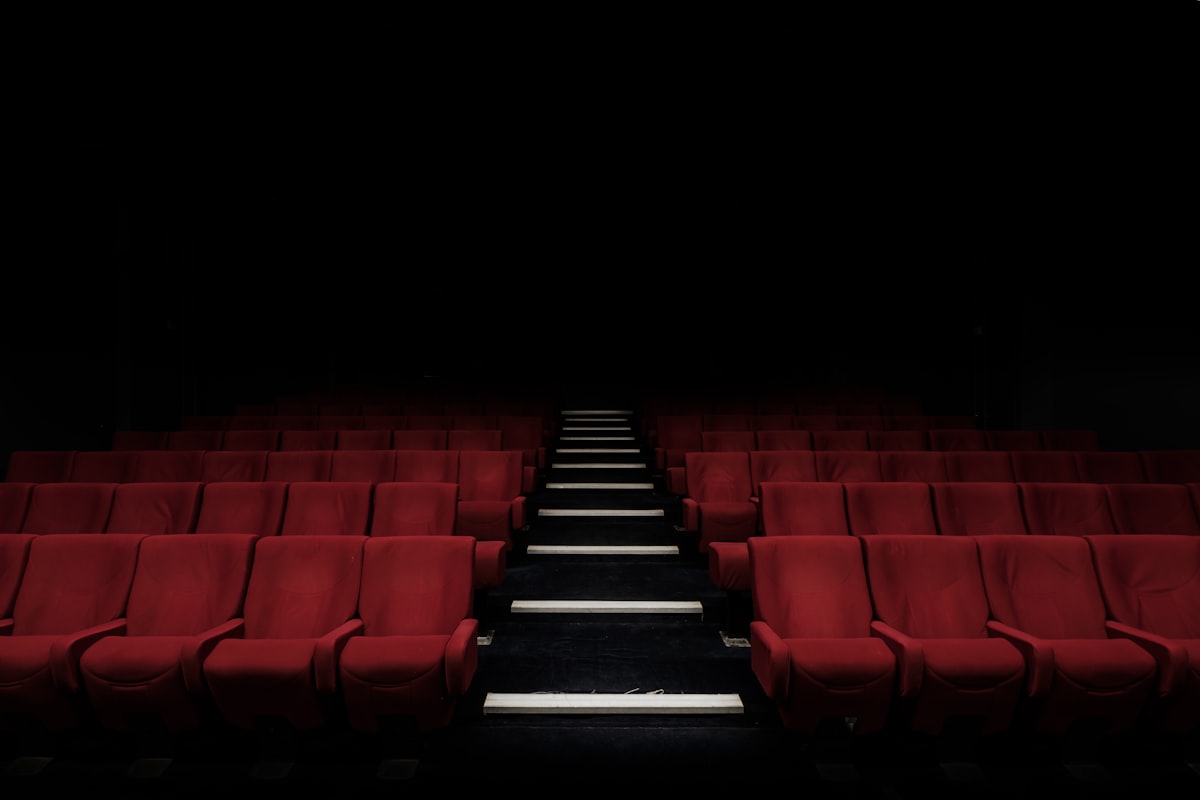
There was a time when the home cinema was a guilty pleasure — a windowless basement room with reclining chairs, a projector, and a popcorn machine acquired on impulse. It was entertainment infrastructure, hidden from view and absent from architectural drawings. That era is decisively over. In 2026, the private screening room has emerged as one of the most architecturally ambitious spaces in ultra-luxury residential design, commanding budgets that rival the entire construction cost of a median European home.
The Scale of Ambition
At the apex, we're seeing screening suites of 80–120 square metres with ceiling heights of 4.5 metres, purpose-built acoustic shells, and projection systems that rival commercial IMAX installations. Budgets of €500,000–€2 million for the room alone are no longer exceptional in the €30M+ residential segment. When you factor in the acoustic engineering, custom millwork, and integrated climate systems, the screening room can represent 5–8% of total project cost.
What changed? Three forces converged. First, the pandemic permanently elevated the status of domestic entertainment spaces. Second, projection and audio technology achieved a quality threshold where the home experience genuinely surpasses most commercial cinemas. Third — and most importantly — a new generation of architects began treating the screening room not as a functional box but as a spatial opportunity.
The Underground Theatre
The most dramatic examples are subterranean. In a recent London project, architect David Adjaye created a double-height screening room excavated beneath the garden of a Mayfair townhouse. The space features a curved concrete shell — acoustically optimised through computational modelling — clad in hand-stitched leather panels. Twenty seats in custom mohair, individually positioned for optimal sight lines, face a 6-metre micro-LED wall that can shift from cinema to art gallery mode at the touch of a panel.
The underground approach solves the primary enemy of cinema design: light and sound contamination. By building below grade, architects eliminate window considerations entirely, achieving the absolute darkness and acoustic isolation that pristine projection demands. The structural costs of excavation — typically €4,000–6,000 per cubic metre in prime urban locations — are absorbed as a premium for perfection.
The Pavilion Model
In warmer climates — the Côte d'Azur, Dubai, Ibiza — a different typology is emerging: the screening pavilion. Detached from the main residence and set within the garden or grounds, these structures combine cinema function with architectural spectacle. Think folding glass walls that open to reveal a terraced outdoor amphitheatre, retractable roofs for starlit screenings, and landscaping that transforms the approach into a cinematic experience before the film even begins.
A recent project in Cap Ferrat features a cantilevered screening pavilion perched over a cliff face, with a floor-to-ceiling glass rear wall that can either project film or retract entirely to reveal the Mediterranean. The duality — cinema by night, panoramic lounge by day — exemplifies how the best architects refuse to let any space serve a single function.
The Technology Stack
At the ultra-luxury tier, the technology conversation has moved beyond projectors and speakers into environmental design. The current specification sheet for a world-class private cinema includes:
Display: Samsung or LG micro-LED walls (minimum 4K, increasingly 8K) in the 200–300 inch range, with peak brightness of 1,500+ nits — bright enough to deliver HDR impact in a fully darkened room without the lamp-replacement cycle of traditional projectors.
Audio: Dolby Atmos configurations of 9.4.6 or higher, with ceiling-mounted height channels, tactile bass transducers integrated into seating, and acoustic treatment achieving NC-15 or below (quieter than a recording studio).
Climate: Dedicated HVAC systems with variable air volume, ensuring consistent 21°C and 45% humidity without audible air movement — the silent enemy of acoustic purity.
Control: Single-touch Crestron or Savant automation that sequences lighting, curtains, projection, audio and climate in a choreographed "showtime" routine lasting 30–45 seconds.
The Art Gallery Convergence
Perhaps the most interesting development is the screening room's convergence with the private art gallery. Micro-LED walls capable of displaying 4K art at gallery-calibre colour accuracy spend 90% of their life showing curated digital collections — Rothko at breakfast, Monet at dinner, commissioned digital works for parties — and transform into cinema mode only for intentional viewing sessions.
This dual identity resolves the historic objection to dedicated screening rooms: that they sit dark and unused for 95% of the day. A room that functions as both gallery and cinema justifies its square footage around the clock.
The Social Dimension
Ultra-luxury screening rooms are increasingly designed for hospitality rather than passive viewing. Adjacent bars with sommelier-grade wine storage, catering kitchens for interval service, and pre-screening lounges with curated libraries of film books reflect a shift from "watching a movie" to "hosting a screening" — a distinction that matters enormously in the social economies of wealth.
The screening invitation has become a currency of intimacy, offering something no restaurant, club or public venue can match: a completely private, acoustically perfect, technologically flawless shared experience in a space designed by a world-class architect and curated by the host. In an era of infinite public entertainment options, that exclusivity is the ultimate luxury.
What It Means for Resale
The market data is unambiguous: properties with purpose-designed screening rooms in the €20M+ segment sell 15–20% faster and command 8–12% premiums over comparable properties without them. The screening room has joined the infinity pool, the wine cellar and the wellness suite in the constellation of amenities that ultra-luxury buyers now consider essential rather than optional.
Maison Latitudes provides private intelligence on ultra-luxury residential design, architecture and interior living. Request access →